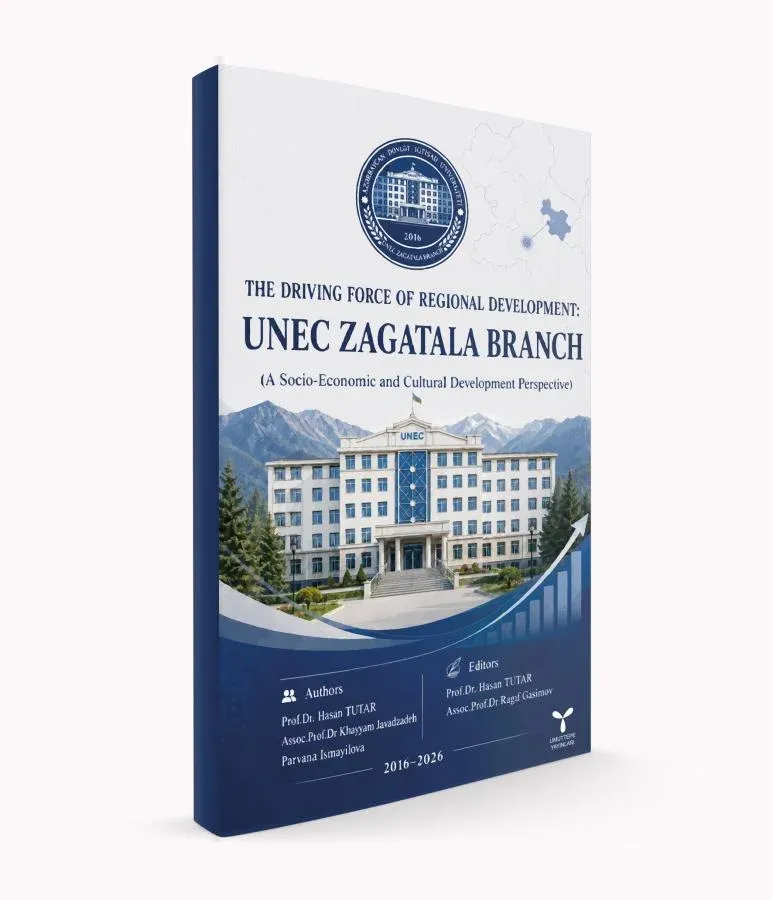
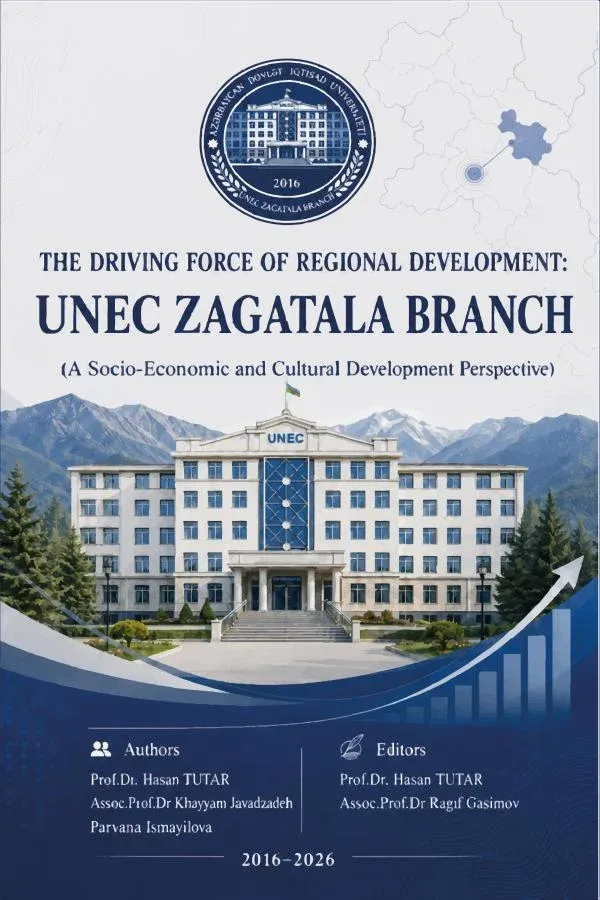
The Drıvıng Force Of Regıonal Development: Unec Zagatala Branch

contents
Foreword iii
CHAPTER 1: INTRODUCTION
1.1. Background of the Study and Regional Development Dynamics 1
1.2. The Strategic Role of Higher Education Institutions in Rural Economies 1
1.3. Research Problem Statement and Main Motivation 2
1.4. Research Aim and Scope 2
1.5. Research Questions and Hypotheses 2
1.6. Original Value and Contribution of the Study 2
References 4
CHAPTER 2: LITERATURE REVIEW
2.1. Regional Innovation Systems and Universities:
Theoretical Framework 5
2.2. Impacts of Universities on the Local Economy 5
2.3. The Impact of Higher Education on the Socio-Cultural
Environment and City Identity 5
2.4. Integration of Student Spending and Life Satisfaction 6
2.5. The Role of Academic Staff in Regional Development 6
2.6. Gaps in the Literature and the UNEC Zagatala Example 7
2.7. Regional Innovation Systems and Universities:
Theoretical Framework 7
2.8. Impacts of Universities on the Local Economy 8
2.9. Impact of Higher Education on the Socio-Cultural
Environment and City Identity 8
2.10. Local Economic Integration of Student Spending and
Life Satisfaction 9
2.11. The Role of Academic Staff in Regional
Development 10
2.12. Gaps in the Literature and the Position of the UNEC
Zagatala Example 10
REFERENCES 12
CHAPTER 3: MATERIALS AND METHODS
3.1. Research Design and Epistemological Approach 15
3.2. Population and Sample Selection (Zagatala Residents, UNEC Students, and Academic Staff) 15
3.3. Data Collection Tools (Development of Questionnaire
Forms and Validity/Reliability) 17
3.4. Operationalization of Variables and Calculation of
Indices 17
3.4.1. Resident General Understanding Index 17
3.4.2. Student Social Integration Index 18
3.5. Analytical Procedures and Econometric Models 18
3.5.1. Descriptive Statistics and Comparative Analyses 19
3.5.2. OLS Regression Models 19
3.5.3. Logistic Regression (Logit) Model 19
REFERENCES 21
CHAPTER 4: FINDINGS
4.1. Descriptive Analyses Regarding Stakeholder Profiles 23
4.2. The University’s Impacts from the Perspective of City
Residents 25
4.2.1. Perception of the University as an Economic
Locomotive (Discussion of OLS Model Results) 25
4.2.2. Social Environment, Event Participation, and
Effects on City Image 26
4.3. Students’ Socio-Economic Integration and Regional Contributions 27
4.3.1. Student Spending Share in the Local Economy
(Scenario Analyses and OLS Results) 27
4.3.2. Factors Determining Students’ Intention to Stay in
Zagatala (Discussion of Logit Model Findings) 30
4.4. Academic Staff’s Regional Innovation and Institutional
Contributions 31
4.4.1. R&D and Consulting Activities for Local Problems 31
4.4.2. Examination of the Institutional Impact Index 32
4.5. Comparative Impact Analysis of Three Stakeholders 33
4.6. Evaluation of Findings in Light of Current Literature 35
REFERENCES 36
CHAPTER 5: POLICY RECOMMENDATIONS
5.1. Strategies to Maximize Local Economic Growth 37
5.2. Policies to Increase Student Integration and Graduate
Employment 38
5.3. Institutional Recommendations for University-Industry-
Local Government Cooperation 39
5.4. Long-Term Regional Development Model in the Context
of Zagatala 40
REFERENCES 42
CHAPTER 6: CONCLUSION
6.1. Synthesis of Key Findings 43
6.2. Theoretical and Practical Outputs of the Research 43
6.3. Directions and Limitations for Future Research 44
REFERENCES 45
APPENDIX 1: UNEC Zagatala Branch in Numbers
1. Introduction 46
2. The Institutional Mission of the Branch and Its
Role in Regional Development 47
3. Development Dynamics of the Student Body 47
4. Structure by Forms of Education 49
5. Distribution of Students by Economic Regions 49
6. Institutional Expansion of Educational Programmes and the Spectrum of Specializations 52
7. Organization of the Teaching Process and the Academic Quality Environment 53
8. Academic Staff, Scientific Activity, and Research
Infrastructure 54
9. Student Life, Socio-Cultural Environment, and Support
Services 55
10. Internationalization and Academic Mobility 56
11. Labour Market Relations and the Applied Higher
Education Model 57
12. Conclusion 58
REFERENCES 60
- Açıklama
contents
Foreword iii
CHAPTER 1: INTRODUCTION
1.1. Background of the Study and Regional Development Dynamics 1
1.2. The Strategic Role of Higher Education Institutions in Rural Economies 1
1.3. Research Problem Statement and Main Motivation 2
1.4. Research Aim and Scope 2
1.5. Research Questions and Hypotheses 2
1.6. Original Value and Contribution of the Study 2
References 4
CHAPTER 2: LITERATURE REVIEW
2.1. Regional Innovation Systems and Universities:
Theoretical Framework 5
2.2. Impacts of Universities on the Local Economy 5
2.3. The Impact of Higher Education on the Socio-Cultural
Environment and City Identity 5
2.4. Integration of Student Spending and Life Satisfaction 6
2.5. The Role of Academic Staff in Regional Development 6
2.6. Gaps in the Literature and the UNEC Zagatala Example 7
2.7. Regional Innovation Systems and Universities:
Theoretical Framework 7
2.8. Impacts of Universities on the Local Economy 8
2.9. Impact of Higher Education on the Socio-Cultural
Environment and City Identity 8
2.10. Local Economic Integration of Student Spending and
Life Satisfaction 9
2.11. The Role of Academic Staff in Regional
Development 10
2.12. Gaps in the Literature and the Position of the UNEC
Zagatala Example 10
REFERENCES 12
CHAPTER 3: MATERIALS AND METHODS
3.1. Research Design and Epistemological Approach 15
3.2. Population and Sample Selection (Zagatala Residents, UNEC Students, and Academic Staff) 15
3.3. Data Collection Tools (Development of Questionnaire
Forms and Validity/Reliability) 17
3.4. Operationalization of Variables and Calculation of
Indices 17
3.4.1. Resident General Understanding Index 17
3.4.2. Student Social Integration Index 18
3.5. Analytical Procedures and Econometric Models 18
3.5.1. Descriptive Statistics and Comparative Analyses 19
3.5.2. OLS Regression Models 19
3.5.3. Logistic Regression (Logit) Model 19
REFERENCES 21
CHAPTER 4: FINDINGS
4.1. Descriptive Analyses Regarding Stakeholder Profiles 23
4.2. The University’s Impacts from the Perspective of City
Residents 25
4.2.1. Perception of the University as an Economic
Locomotive (Discussion of OLS Model Results) 25
4.2.2. Social Environment, Event Participation, and
Effects on City Image 26
4.3. Students’ Socio-Economic Integration and Regional Contributions 27
4.3.1. Student Spending Share in the Local Economy
(Scenario Analyses and OLS Results) 27
4.3.2. Factors Determining Students’ Intention to Stay in
Zagatala (Discussion of Logit Model Findings) 30
4.4. Academic Staff’s Regional Innovation and Institutional
Contributions 31
4.4.1. R&D and Consulting Activities for Local Problems 31
4.4.2. Examination of the Institutional Impact Index 32
4.5. Comparative Impact Analysis of Three Stakeholders 33
4.6. Evaluation of Findings in Light of Current Literature 35
REFERENCES 36
CHAPTER 5: POLICY RECOMMENDATIONS
5.1. Strategies to Maximize Local Economic Growth 37
5.2. Policies to Increase Student Integration and Graduate
Employment 38
5.3. Institutional Recommendations for University-Industry-
Local Government Cooperation 39
5.4. Long-Term Regional Development Model in the Context
of Zagatala 40
REFERENCES 42
CHAPTER 6: CONCLUSION
6.1. Synthesis of Key Findings 43
6.2. Theoretical and Practical Outputs of the Research 43
6.3. Directions and Limitations for Future Research 44
REFERENCES 45
APPENDIX 1: UNEC Zagatala Branch in Numbers
1. Introduction 46
2. The Institutional Mission of the Branch and Its
Role in Regional Development 47
3. Development Dynamics of the Student Body 47
4. Structure by Forms of Education 49
5. Distribution of Students by Economic Regions 49
6. Institutional Expansion of Educational Programmes and the Spectrum of Specializations 52
7. Organization of the Teaching Process and the Academic Quality Environment 53
8. Academic Staff, Scientific Activity, and Research
Infrastructure 54
9. Student Life, Socio-Cultural Environment, and Support
Services 55
10. Internationalization and Academic Mobility 56
11. Labour Market Relations and the Applied Higher
Education Model 57
12. Conclusion 58
REFERENCES 60Stok Kodu:9786259778792Boyut:16x24Sayfa Sayısı:72Baskı:1Basım Tarihi:Haziran 2026Kapak Türü:Karton KapakKağıt Türü:1. HamurDili:İngilizce
- Taksit Seçenekleri
- Tüm kartlarTaksit SayısıTaksit tutarıGenel ToplamTek Çekim212,50212,502113,37226,74377,14231,41459,13236,51548,37241,83641,15246,93
- Yorumlar
- Yorum yazBu kitabı henüz kimse eleştirmemiş.
-
%15

-
%15
-
%15
-
%15
-
%15
-
%15
-
%15
-
%15
-
%8
-
%15









-
%15
-
%15
-
%15
-
%15
-
%15
-
%15
-
%15
-
%15
-
%15